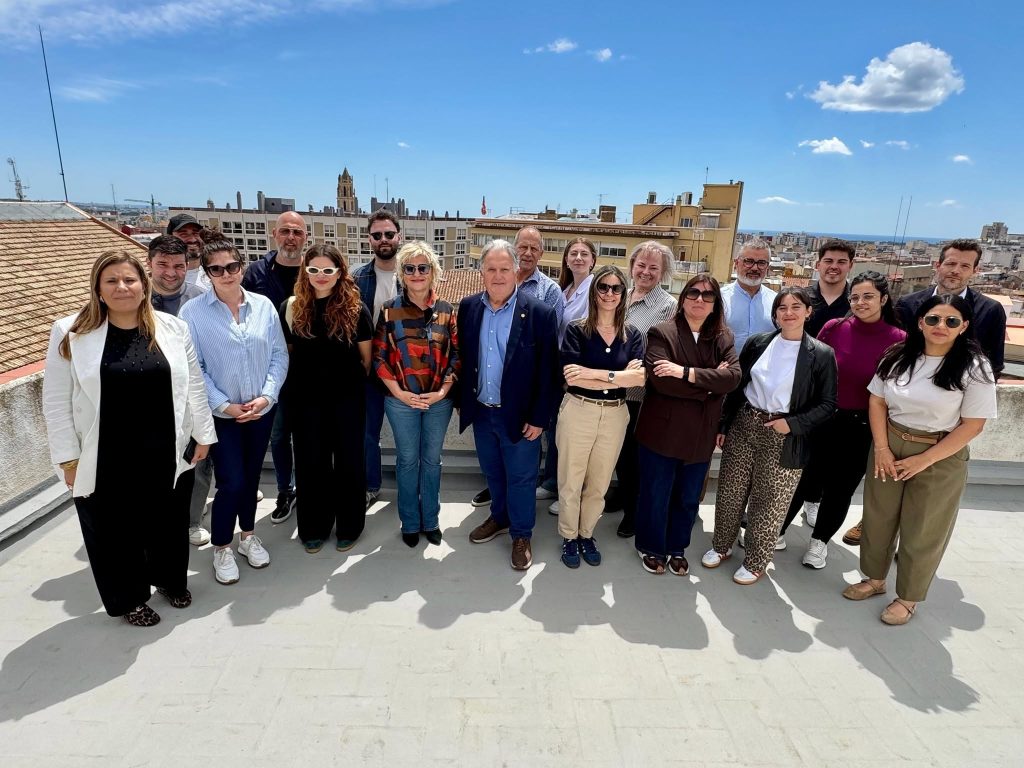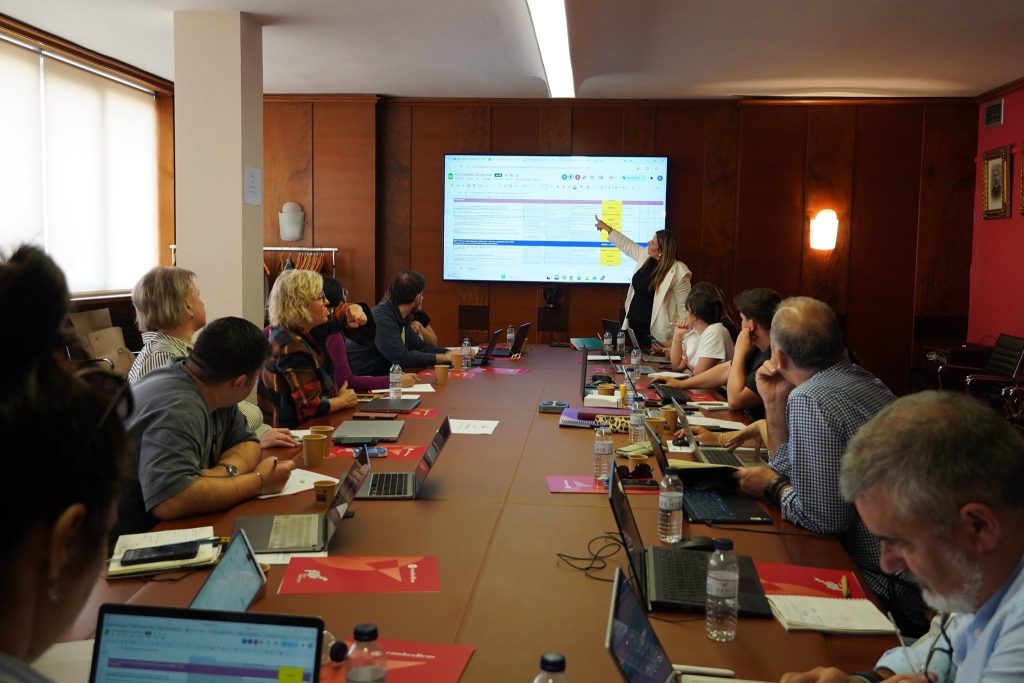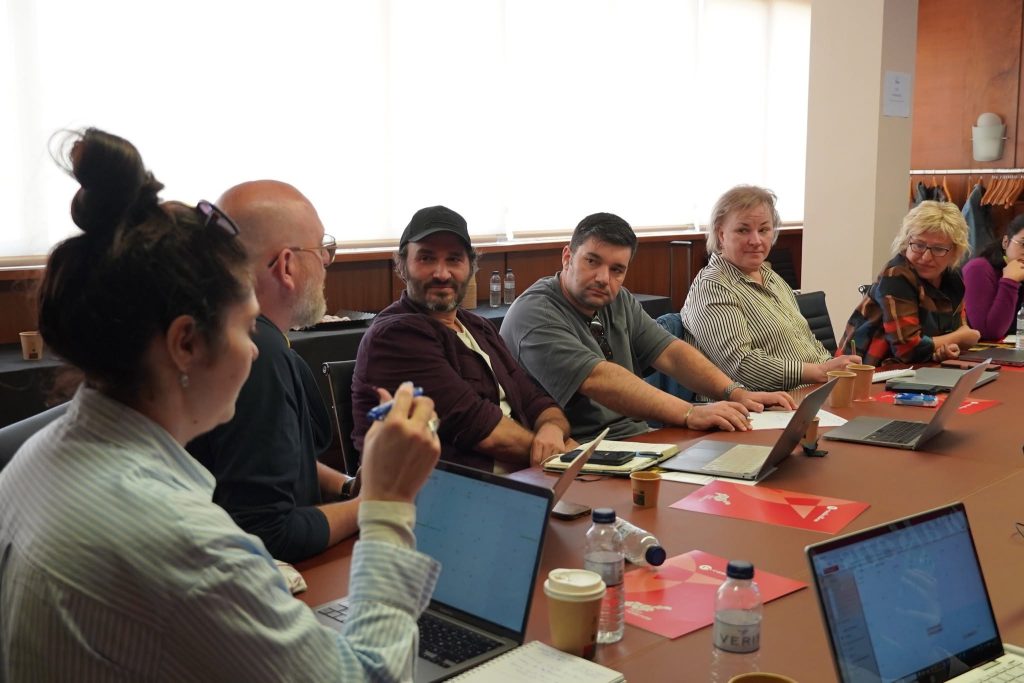
How can we build a stronger European food system that is ready for future challenges? Certainly, the answer lies in innovation, training, and close cooperation between strategic sectors. During the month of May, a fundamental milestone took place to achieve this ambitious goal. We are talking about the official kick-off of the EU FOODPACT project, which successfully gathered all international partners.
First of all, the opening meeting was hosted in the city of Reus, Spain. In fact, representatives from various European countries met to define the first operational activities. The main objective of the initiative is to bridge the skills gap in the agrifood sector while promoting eco-friendly practices. To learn more about our ongoing international initiatives, feel free to visit the Polygonal news section.
A Multidisciplinary Approach for the Future of Food
The initiative stands out due to its open and highly collaborative working methodology. Moreover, the project connects different yet deeply intertwined fields to create a real long-term impact.
The European consortium includes brilliant experts from a wide variety of sectors:
- Sustainable food systems and agriculture: To guide production toward low-environmental-impact models.
- Adult education and training: To empower workers and citizens through tailored learning pathways.
- Business support and innovation: To help agrifood companies adopt clean, modern technologies.
- Policy development and communication: To engage with local institutions and spread the project results.
However, achieving these goals will strictly depend on the active involvement of all local stakeholders. Partners are committed to developing practical tools and methodologies over the next working months.
Ecological Thinking and Future Actions
In addition, the project promotes deep environmental respect starting from its very first management steps. Partners follow strict guidelines regarding energy saving and the reduction of printed materials. Therefore, every single communication activity will use eco-friendly materials, recycled paper, and organic inks.
In conclusion, the transnational gathering in Spain successfully set a clear and motivating roadmap for the future. Surely, the upcoming months will bring the launch of the first field activities. The team will develop concrete solutions to support the entire European agrifood supply chain.