How can a walk in the woods become a science lesson? And how can technology help us understand the environment?
Through Green STEAM in the Czech Republic, we explored these possibilities alongside a delegation of Italian teachers.
From 9 to 13 November 2026, we visited Liberec as part of the Erasmus+ project. The Technical University of Liberec hosted us for three days of training.
Across museums, mountains, forests and workshops, we combined environmental education, science and digital tools.
Environmental Education for Every Age
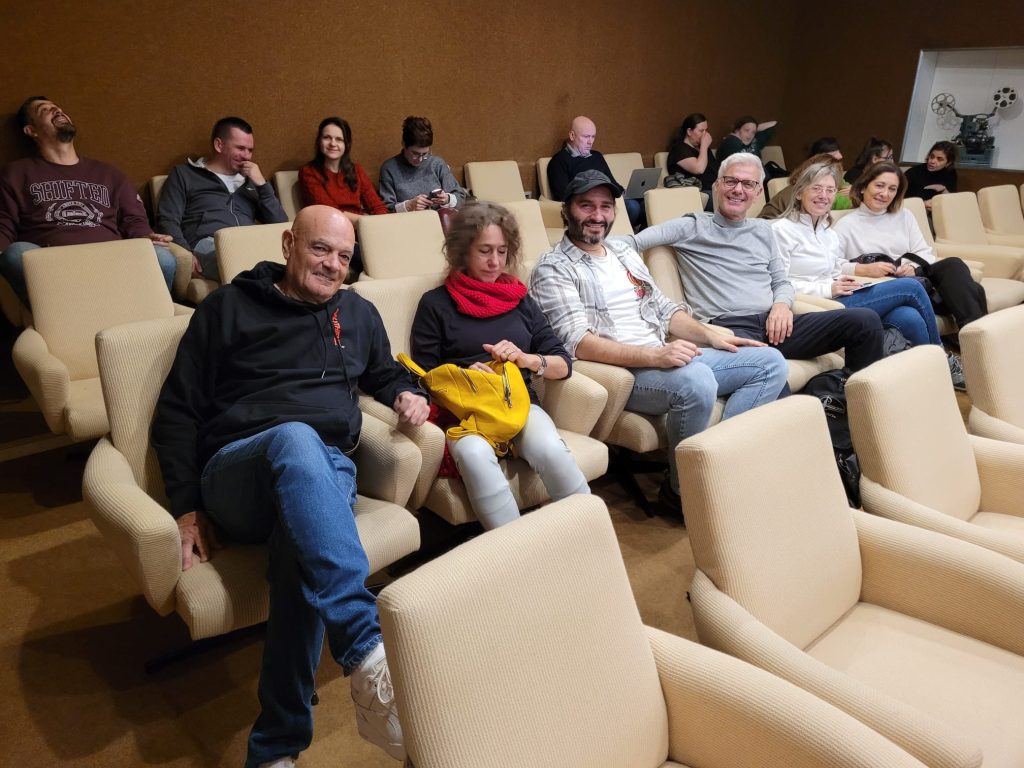
Teachers from several European countries joined the training. Participants also represented primary, lower secondary and upper secondary schools.
Sharing experiences helped us understand how to adapt sensors and tools to different ages. We therefore considered students’ skills and the learning goals of each subject.
In primary school, for example, activities can begin with curiosity and observing nature. In secondary school, however, students can explore more complex tasks involving data.
Knowing how to use a tool is only the beginning. How reliable is a measurement? Which factors can affect it? How can we interpret the results correctly?
These questions help students develop a scientific approach. As a result, the environment becomes an extended classroom.
Green STEAM in the Czech Republic: Learning in the Field
The training began at the North Bohemian Museum in Liberec. Here, we observed an interactive geology activity for pupils from a local school.
Next, we explored Mount Ještěd and discovered rocks dating back to the Precambrian. We also visited Sedmihorky, known for its distinctive sandstone formations.
The following day, we travelled to Liberecká výšina to study the area’s granite formations.
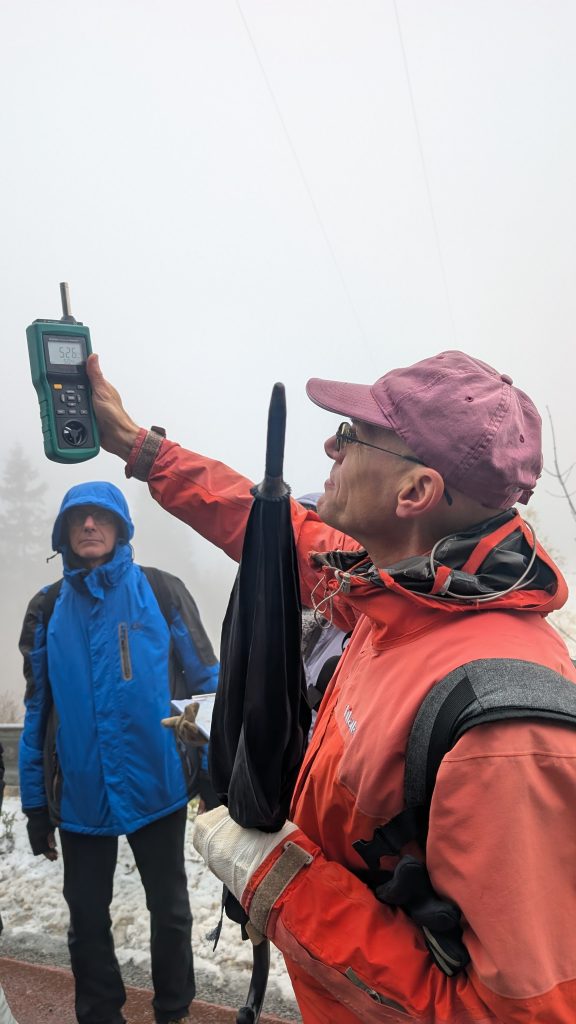
Finally, we spent the last day around Hejnice. During the excursion, we tested different tools for measuring environmental conditions.
Activities included measuring soil pH and using digital tools to record our observations. In the afternoon, we then analysed the data collected in the field.
A Small Science Lab in Your Pocket
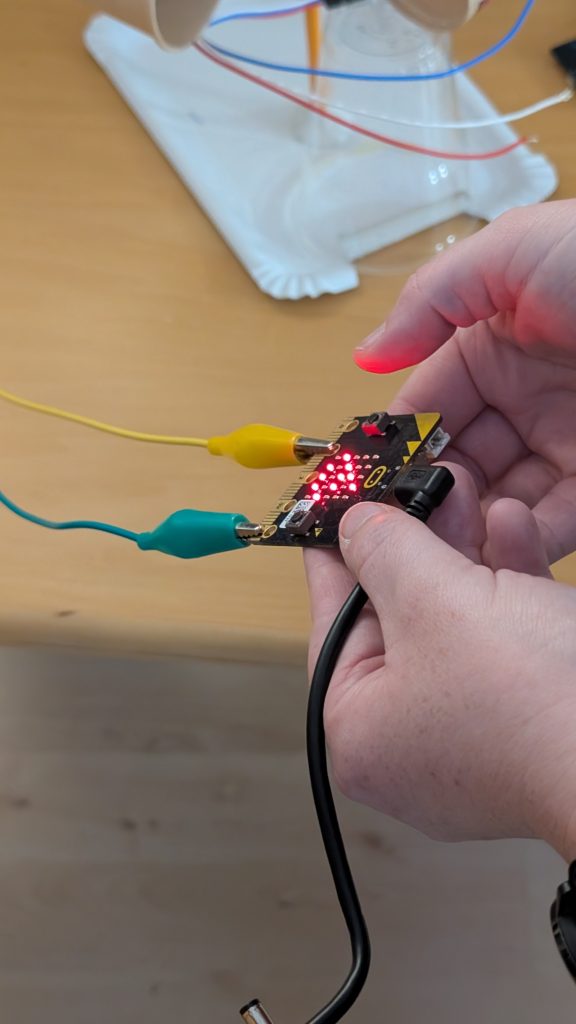
Polygonal contributed to the training through Circuit Playground Express. This small programmable board includes light, temperature, motion and sound sensors.
During a workshop, we used its sound sensor to collect data. In around 14 minutes, we recorded more than 600 measurements. We then displayed the results in a graph.
This simple experiment offers several classroom possibilities. For example, students can compare light levels in different places or observe temperature changes during a walk.
They can also explore sound variations in the spaces they use every day.
Technology therefore becomes a tool for asking questions, testing ideas and understanding the local environment.
From the Czech Republic to Our Local Schools
The activities tested in Liberec can also be used in our local schools.
Possible settings include the trails of the Lepini Mountains, public parks and coastal areas. Even a school garden can become a place of discovery.
We thank the Italian schools that accepted our invitation and joined the training:
- Liceo Scientifico “Enrico Fermi” in Gaeta;
- Istituto Vallauri in Velletri;
- Istituto Galilei in Latina.
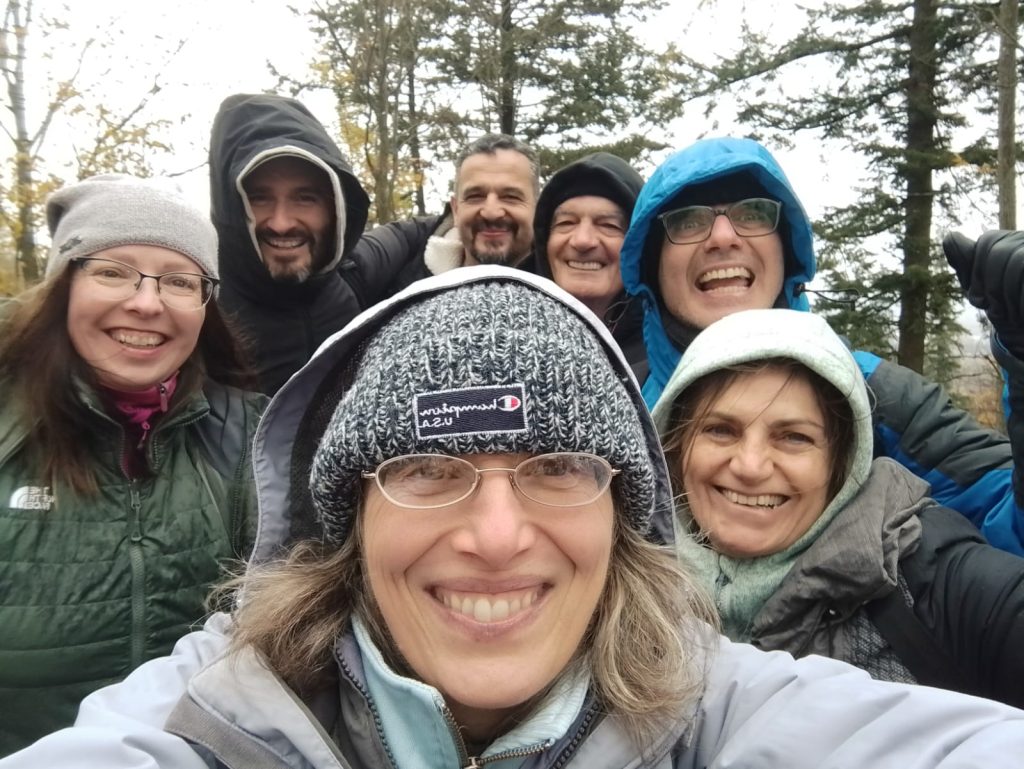
We also thank the teachers for sharing their skills and exchanging ideas with European colleagues. Their contributions enriched the experience.
The Erasmus+ Green STEAM Project
Green STEAM – Environmental Literacy & Climate Change in Vulnerable Areas is a European project coordinated by GeoCamp Iceland.
It promotes environmental education through outdoor activities, digital tools and STEAM subjects: science, technology, engineering, arts and mathematics.
APS Polygonal involves teachers and local educational organisations. In this way, it supports the exchange of teaching methods and activities across Europe.
Are you a teacher interested in upcoming international training opportunities? Email info@polygonal.ngo or contact us on +39 351 661 9849.
 Project co-funded by the European Union – Erasmus+ 2025-1-IS01-KA220-SCH-000365045.