How can hands-on activities help families spend meaningful time together and learn new skills? Through DIY Parents in Nicosia, we explored this question during three days of training with professionals who work with children and families every day.
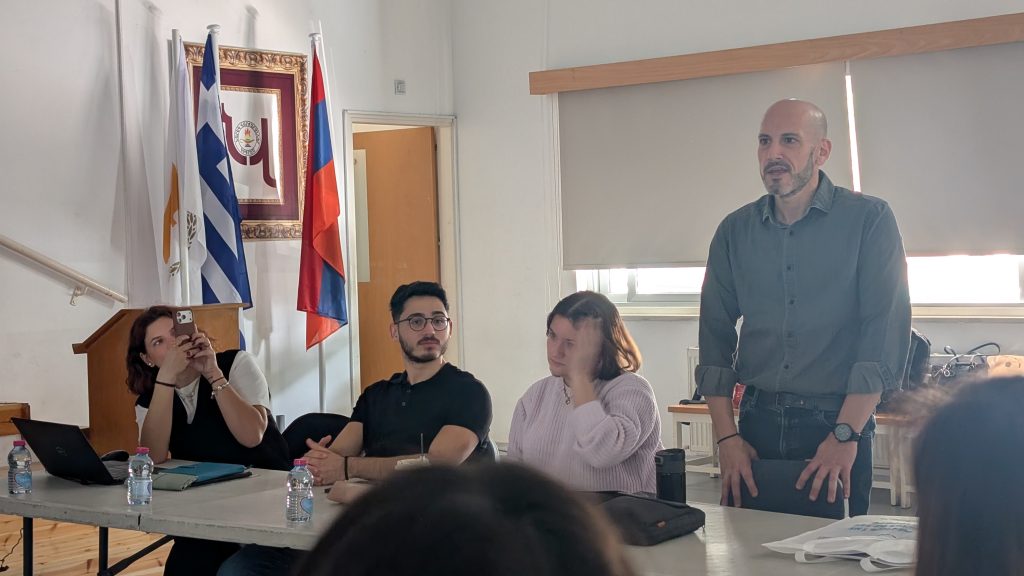
Hosted by the Nareg Armenian School, we joined participants from Italy, Spain, Poland, Germany and Cyprus. Together, we shared experiences and explored activities combining practical skills, creativity and thoughtful use of digital tools.
What Is DIY Parents?
DIY Parents is a European project under the Erasmus+ programme that supports shared learning between parents and children.
Its starting point is simple: making, repairing and reusing objects can help families discover new skills, care for the environment and enjoy time together.
The project also involves educators and professionals who support families. Its aim is to develop practical resources for learning experiences that are accessible, inclusive and enjoyable.
Digital tools are part of this approach too. Used thoughtfully, they can support creativity and shared activities.
DIY Parents in Nicosia: Activities That Fit Family Life
During the training, we focused on a practical question: how can these activities fit into everyday family routines?
We explored ideas that work alongside daily commitments and are enjoyable for both adults and children. Shared activities are more engaging when everyone has an active role.
Primary school educators, adult educators, psychologists and psychotherapists contributed to the discussions. Their different perspectives helped connect the proposed activities with the needs they encounter in schools and through their work with parents.
The focus was on developing resources that families can realistically use and enjoy.
Inclusive Resources Beyond Language Barriers
Special educational needs were a central topic throughout the training. We discussed how to adapt resources and activities to support children and adults with different needs.
We also considered families who do not speak the local language. Clearer, more visual instructions were identified as one way to make activities easier to understand and follow.
Accessibility starts with giving more people the opportunity to understand, try and participate. This principle guided our discussions about both the resources and the way activities are introduced.
From Shared Ideas to Hands-On Practice
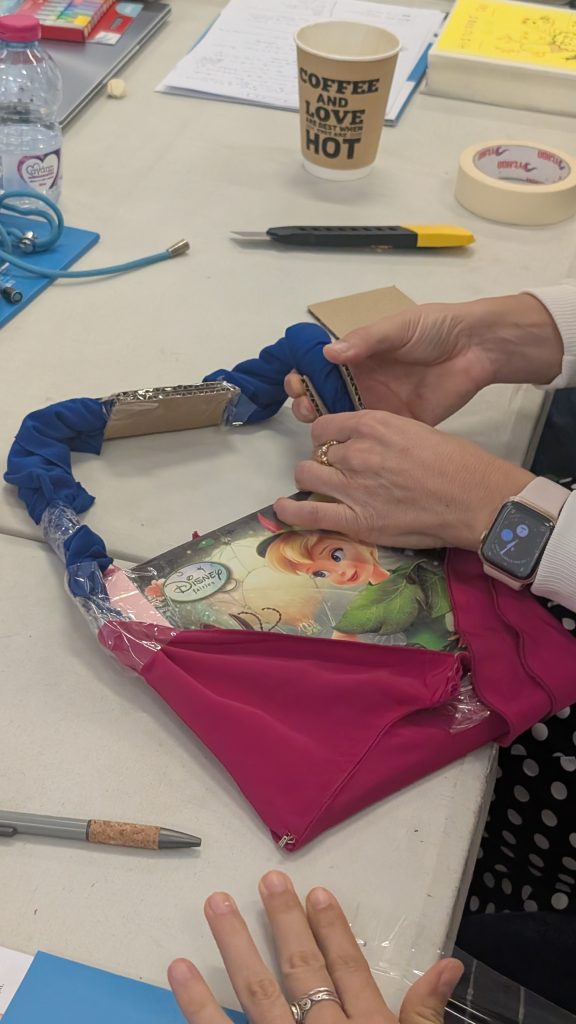
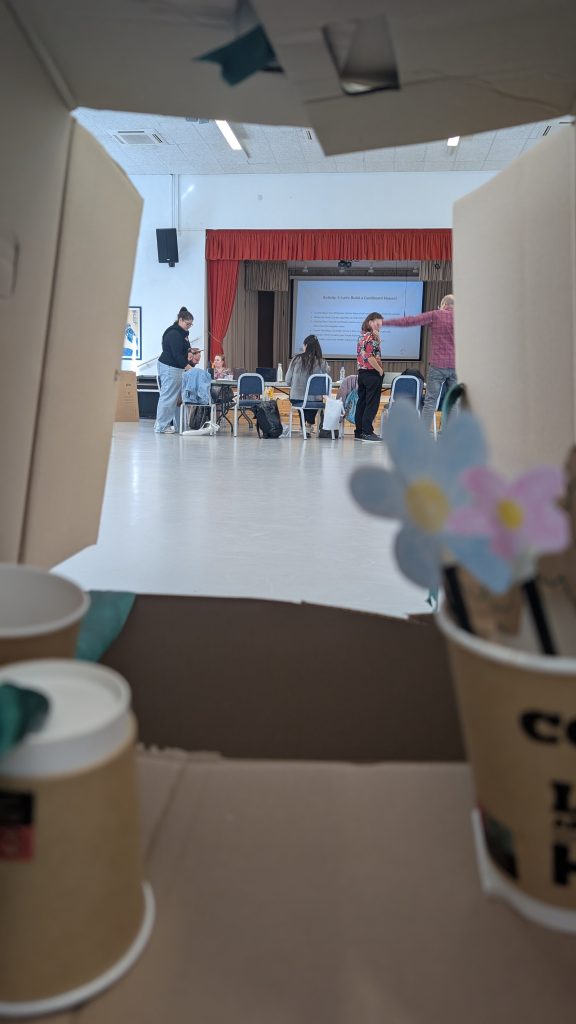
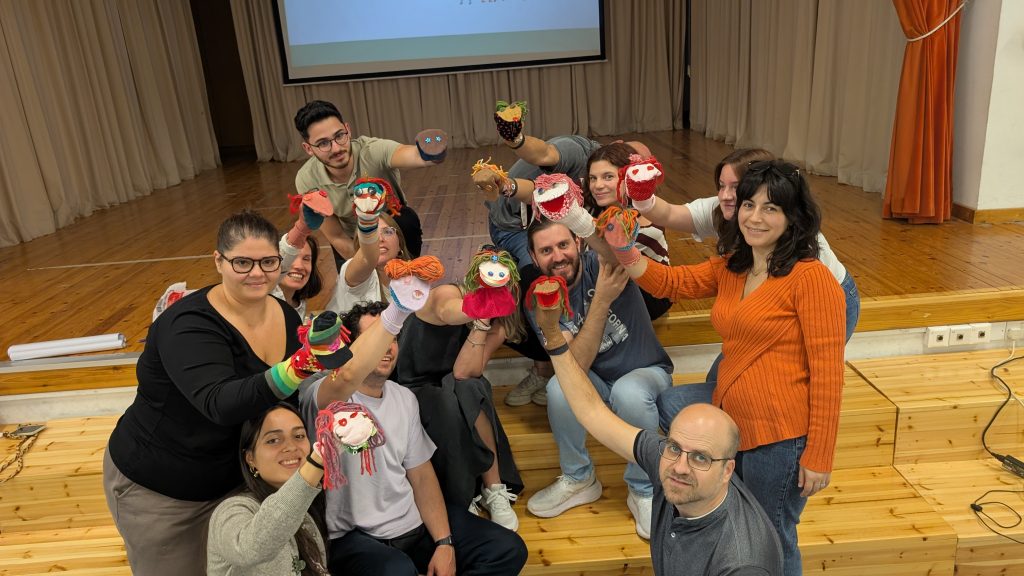
The three days allowed us to align our working methods and try out creative workshops together. Taking part in the activities provided useful insights for developing resources for families.
Alongside the training, we also visited Nicosia and learned more about our host community.
We thank our Cypriot partners, the Nareg School and the parents’ associations federation, particularly its Nicosia branch, for their hospitality and valuable contributions.
Are you a parent or educator interested in the upcoming winter workshops? Email info@polygonal.ngo and follow APS Polygonal for updates.